SOME PHOTOS TO INSPIRE THE YOUNGER GENERATION DESCENDANTS OF THE EXTENDED MUNIAMMA FAMILY.
THESE PHOTOS WERE TAKEN DURING A FAMILY GATHERING AT THE JAPANESE GARDENS IN DURBAN IN JANUARY 2016


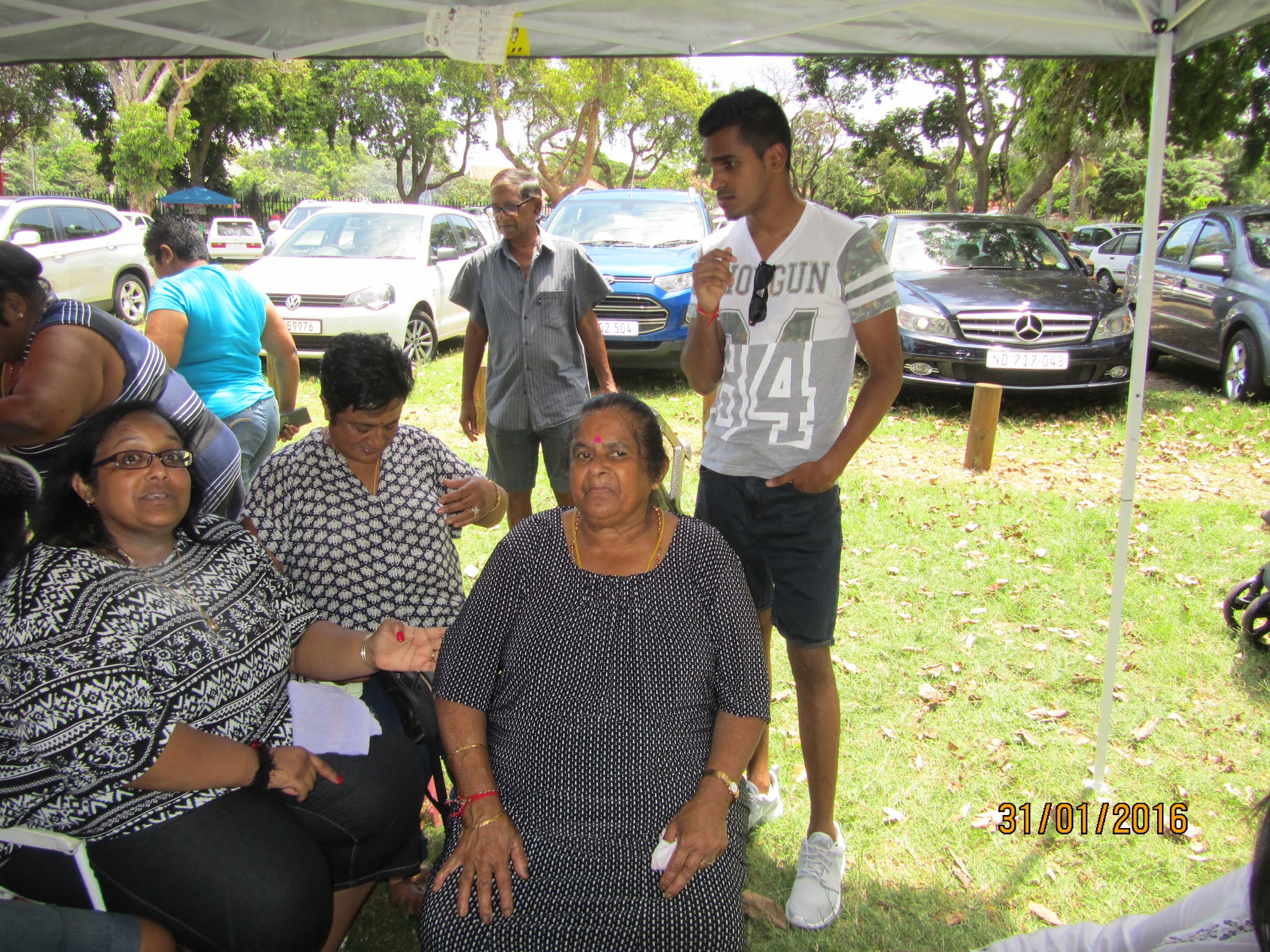


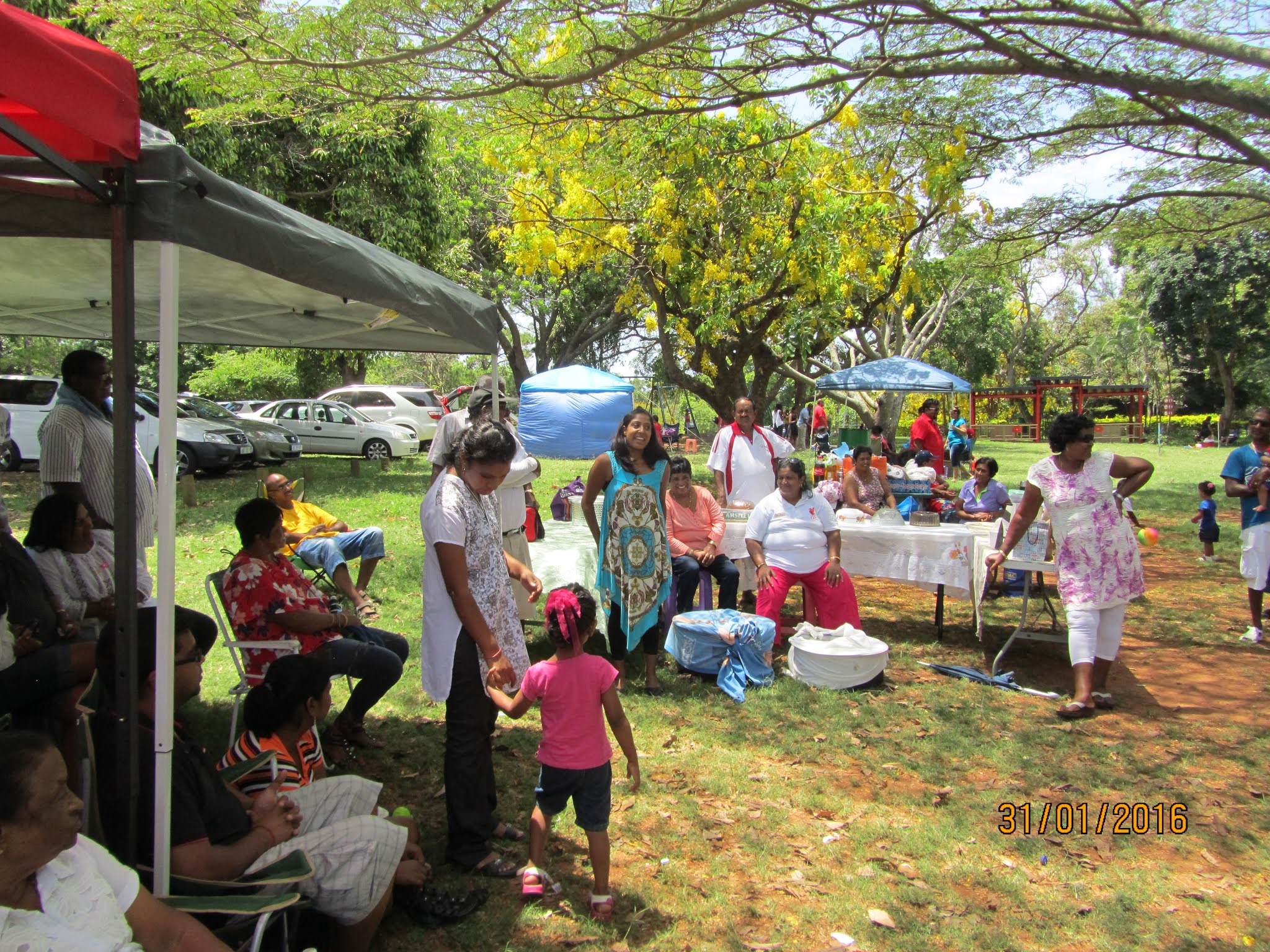


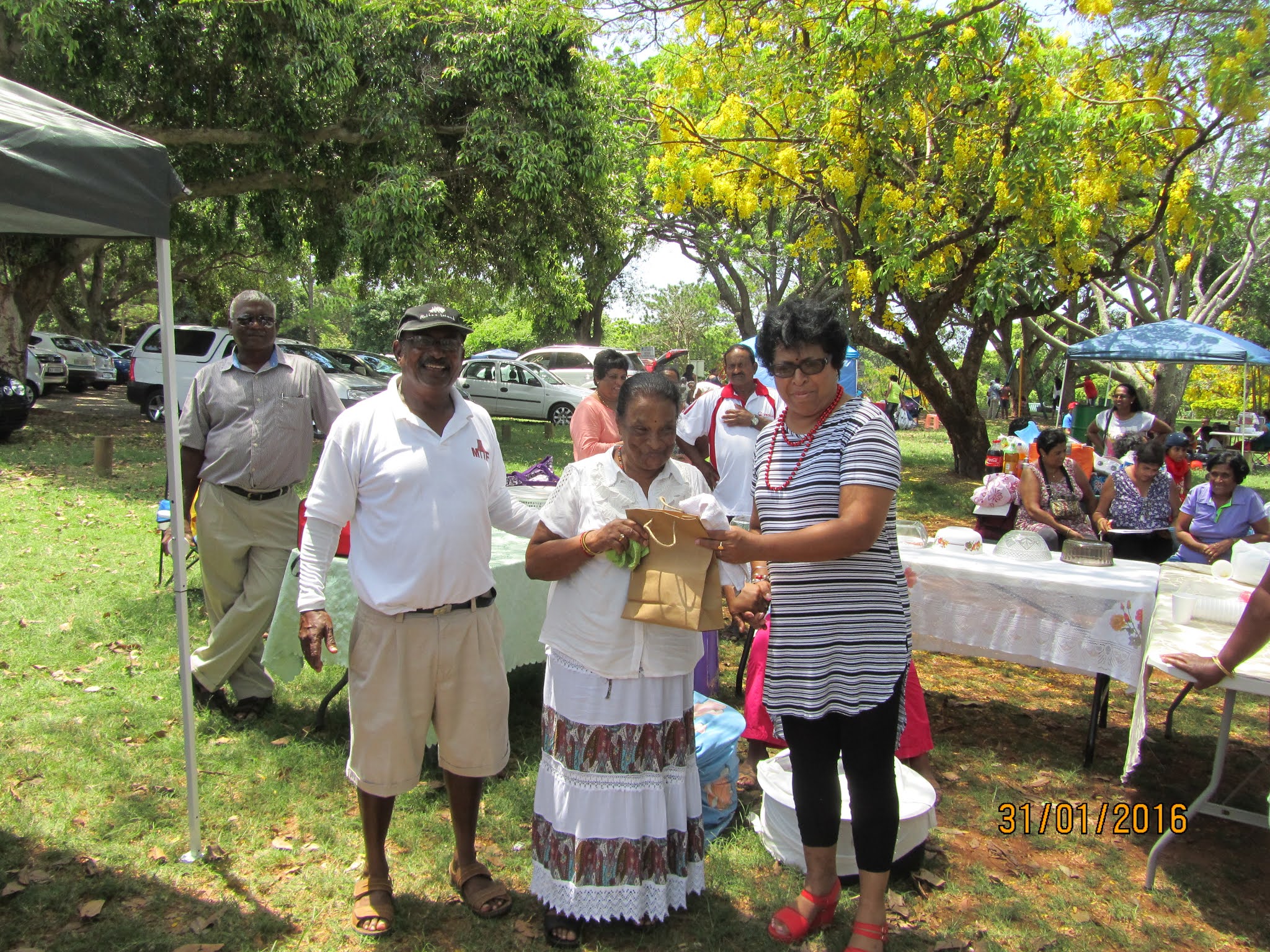




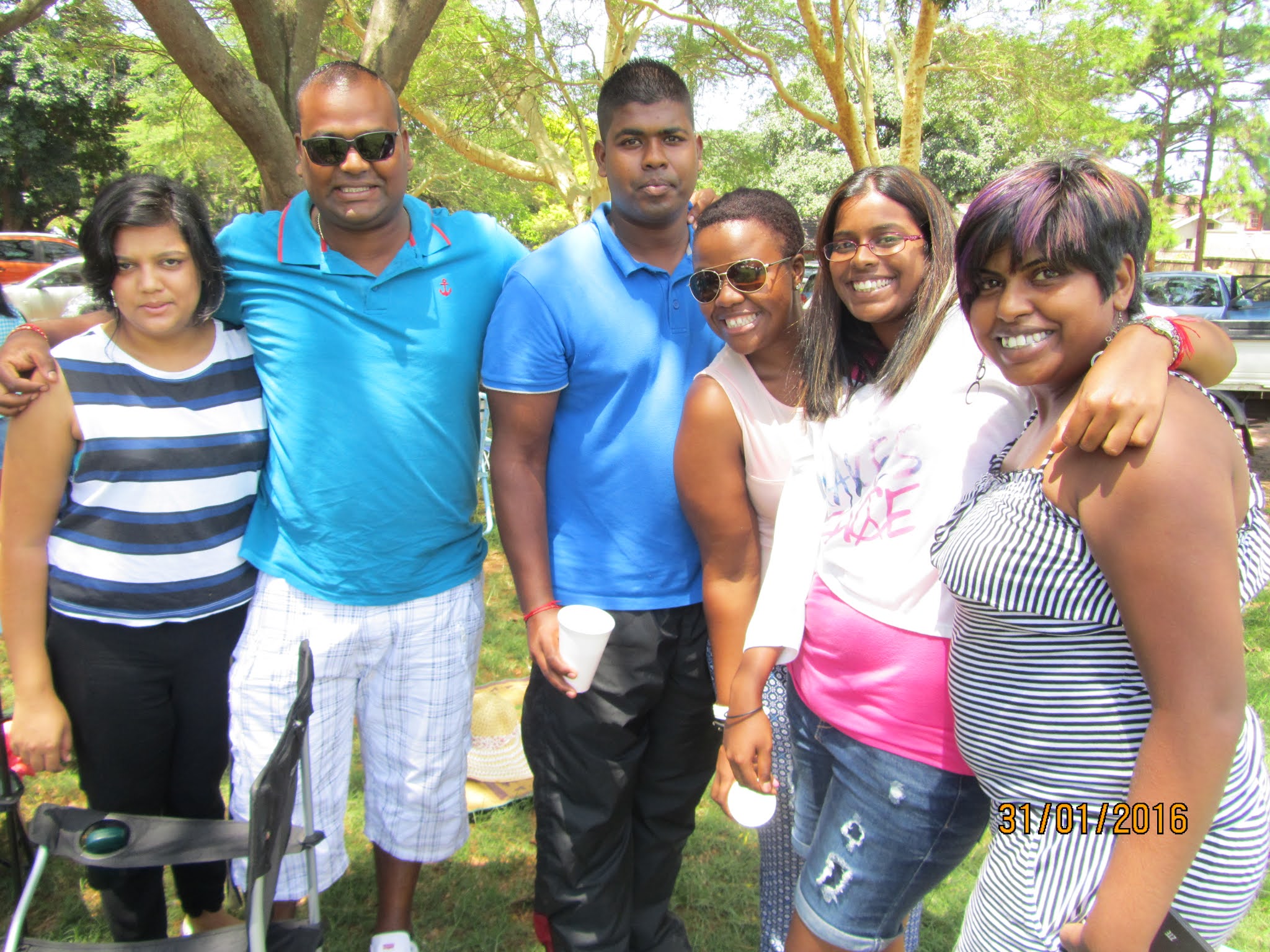


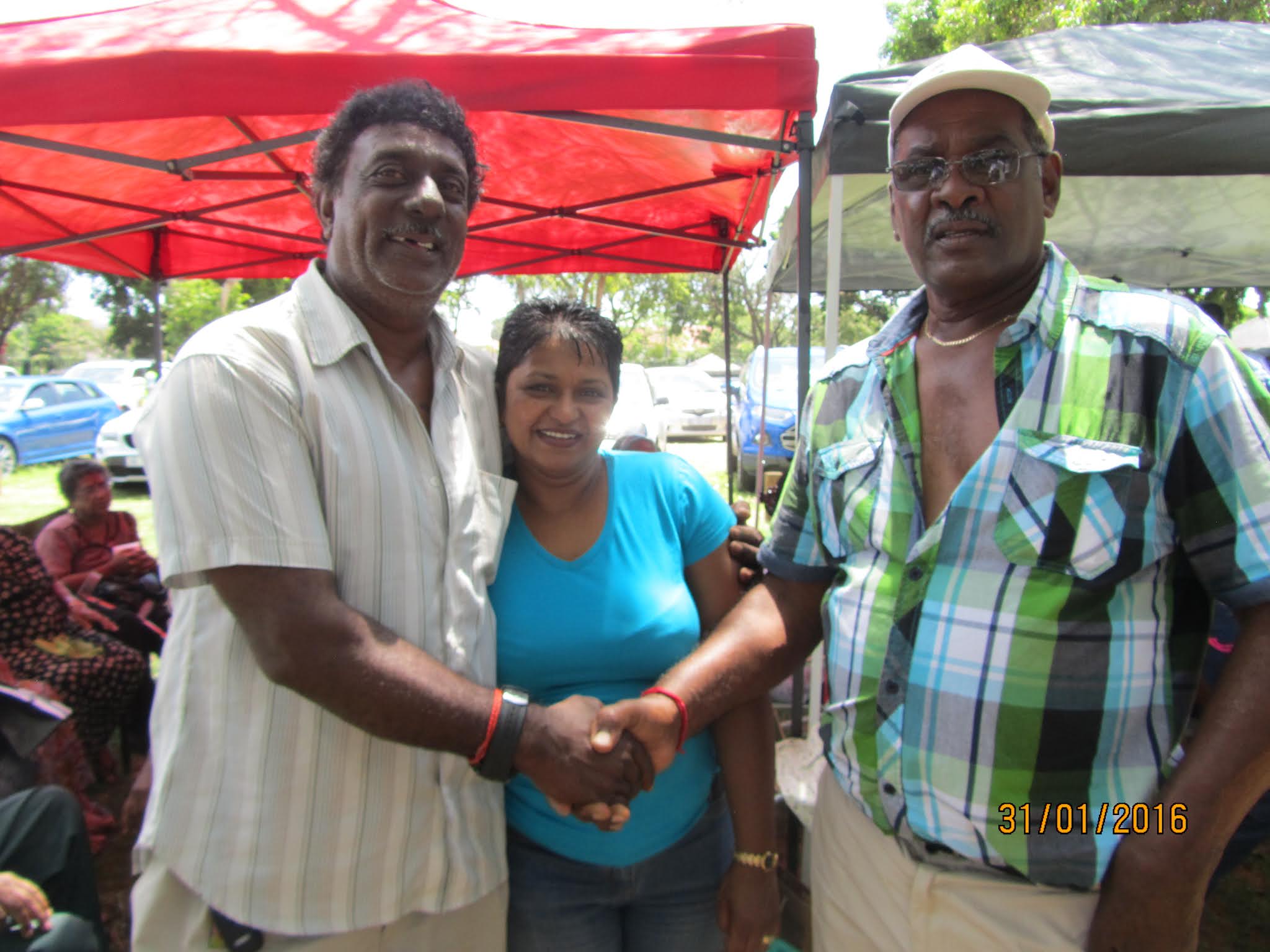


SOME PHOTOS TO INSPIRE THE YOUNGER GENERATION DESCENDANTS OF THE EXTENDED MUNIAMMA FAMILY.
THESE PHOTOS WERE TAKEN DURING A FAMILY GATHERING AT THE JAPANESE GARDENS IN DURBAN IN JANUARY 2016


SCHOOL GIRL “EXPELS” RACISM
In May 1981 the apartheid regime had escalated its brutal and repressive measures to counter the campaigns of struggle leaders and progressive organisations such as the Natal Indian Congress. It was not only imposing banning and restrictive measures against anti-apartheid political, trade union, sporting leaders but was also brutally suppressing high school pupils and university students who were continuing their protests against unequal and inferior education systems.
Leading the campaigns at one of the high schools in
Durban was 15-year-old Charmaine Naidoo. Despite being only in standard eight
she organised a boycott of the Republic Day celebrations on May 31 imposed by
the Pretoria regime. All schools controlled by the “Indian” education
department like other “racial” departments were forced to participate in
programmes to celebrate the apartheid Republic Day.
The Director of Indian Education, Mr Gabriel Krog,
immediately took action and suspended Miss Naidoo and 600 other pupils for
their boycott actions.
After some negotiations, Mr Krog allowed 246 children
to return to their schools. But Miss Naidoo and more than 300 other children
were barred from attending any government school to be “taught a lesson”.
The Natal Indian Congress entered the scene and took
up the case of Miss Naidoo and her fellow pupils and made representations to
the courts.
The case dragged on four nearly four months during
which time Miss Naidoo and her colleagues were denied entry to their class
rooms by Mr Krog.
Even after the court issued an order in October 1981
for Miss Naidoo and her expelled colleagues to be allowed back to their
classrooms, Mr Krog refused to lift the expulsions. Miss Naidoo’s father, Mr
Krishna Naidoo, was forced to seek further intervention by the court.
The Press Trust of SA News Agency wrote an article in
October 1981 about the courage of Mis Naidoo and submitted it for publication in
India via the Press Trust of India.
The article was published in several publications, including
the Tribune, Statesman and the Times of India, under the headlines: “Schoolgirl
‘expels’ racism”, “Indian girl wins battle in Durban”, and “Indian Girl wins
court case”.

"INDIAN" GIRL WINS BATTLE IN DURBAN
The story, published by the Tribune on October 6
1981, read:
Durban, Oct 6 (PTI): A 15-year-old Indian school girl
has won a major battle when she fought her way back to the classroom after four
months of expulsion ordered by the institution’s white director.
Mis Charmaine Naidoo, a standard V111 pupil of a
local high school, was expelled along with 600 other Indian children after they
had boycotted classes in protest against the 21st Republic Day celebrations
of the South African Government, according to the Press Trust of South Africa.
The arbitrary action against the children was taken
by Mr Gabriel Krog, the Director of the Indian Education Department.
Mr Krog, who is a nominee of the secret Afrikaner
organisation, Broederbond, subsequently allowed 246 children to return to their
classes but barred Miss Naidoo and others from attending any Government school.
This action incensed the Indian community here and its
leaders mobilised the black people against Mr Krog and the Indian Education
Department.

Numerous representations and petitions failed to
persuade Mr Krog to change his stand. The Indian community, under the leadership
of the Natal Indian Congress, which was founded by Mahatma Gandhi during his
stay in South Africa in the 1890s, finally took the matter to court.
The presiding judge of the Pietermaritzburg Supreme Court,
Mr Justice Friedman, set aside Miss Naidoo’s expulsion after stating that Mr
Krog had not followed the legal requirements when he expelled the children.
But Mr Krog defied the legal directive and refused to
allow Miss Naidoo to return to her class. When she was barred for the second
time, her father, Mr Krishna Naidoo, instructed his attorneys to institute “contempt
of court” proceedings and action for damages against Mr Krog.
After much wrangling between Mr Krog and the Indian
community, the director finally agreed to re-admit all expelled children at the
start of the new term next year.
He also agreed to allow the standard eight and
matriculation pupils to appear in their year-end examinations for 1981.
The acting President of the Natal Indian Congress, Mr
M J Naidoo, said in a statement to the Press Trust of South Africa that it
seemed the South African Government took the action against Indian children
because “they don’t want us to align ourselves with the aspirations of the
African majority”. Ends – Press Trust of South Africa Oct 6 1981
FOOTNOTE:
Miss Naidoo, who was 15 in 1981, would be 55 or 56
now. It would be great to know about her progress over the years and what she
is now doing?

Soon after his release from life imprisonment on
February 11 1990, Nelson Mandela, the leader of the African National Congress
and the first democratic president of the new South Africa, embarked on a tour of the country to address
the people.
He addressed rallies in Cape Town, Johannesburg, Durban
and other parts of the country in order to promote unity and condemn the
violence that wreaked havoc in KwaZulu-Natal and certain parts of Johannesburg.
In the Durban area, certain reactionary forces also went
about promoting racial hatred in response to Mandela’s release.
Only two days after his release, certain elements
started to distribute in the then Natal province a scurrilous pamphlet against
people of Indian-origin. The pamphlets made unfounded allegations in what
appeared to be an attempt to promote racial strife.
Mandela, when addressing several gatherings in
Durban, not only lashed out at the violence but also went out of his way to
acknowledge the enormous role that leaders of Indian-origin had played in the
freedom struggles.

MANDELA SAYS FORCES OF APARTHEID MUST NOT DIVIDE THE
PEOPLE IN NATAL
Twelve days after his release, Mandela addressed a
massive crowd in central Durban on February 25 1990. Thousands of people of all
colours turned up to welcome home a leader who had sacrificed nearly half his
life for their freedom.
This correspondent was also there on behalf of the
Press Trust of India (PTI) and several international radio stations such as the
BBC, Radio Netherlands, and Radio France Internationale.
Several newspapers in India published the story the
next day on February 26. The Hindustan Times, The Hindu and the Indian Express
carried the stories under the headlines: “Mandela lauds role of Indians in
Natal”, “Attacks on Indian in Natal condemned”, and “Mandela decries attacks on
Indians”.
MANDELA DECRIES ATTACKS ON INDIANS

The article read:
Durban, Feb 26 (PTI): The African National Congress
leader, Mr Nelson Mandela, has expressed concern at the recent racial attacks
on Indians in the Natal province of South Africa.
Addressing a mass rally here yesterday, Mr Mandela
called on the people not to allow the forces of apartheid to sow seeds of
division between Indians and Africans just when they were on their way to
victory.
MANDELA SAYS INDIANS FOUGHT FOR FREEDOM IN SOUTH
AFRICA SINCE 1894
In a passionate speech, heard by thousands of people,
including hundreds of Indians, wearing Mandela and ANC T-shirts, Mr Mandela
condemned the violence and said: “The perpetrators of these acts are enemies of
the liberation movement.”
Amidst loud cheers he reminded the people of the role
played by Indian patriots since 1894 and said their struggle against oppression
was a shining example of Indo-African solidarity.
The struggle began in Natal with the formation of the
first black political organisation in Africa – the Natal Indian Congress
founded in 1894 by Mahatma Gandhi, he recalled.

Mr Mandela said: “In 1946 during the defiance
campaigns more than 2 000 Indians were sent to jail – many for occupying
land reserved for whites. The campaign made clear the common nature of Indian
and African oppression ….. in 1947 this
led to the Dadoo-Xuma-Naicker Pact and the joint action of Africans and Indians
of 1952.”
Mr Mandela said he greeted the people of Natal in the
name of peace which was desperately needed in the province.
“Here in Natal apartheid is a deadly disease in our
midst. My message to you today is to take your guns, knives and pangas and
throw them into the sea. Close down the death factories.
“Stop the violence now,” he told the mammoth crowd
admonishingly.
The rally was also addressed by the Indian ANC
leader, Ahmed Kathrada, who was released from jail last year along with other
ANC leaders, including Walter Sisulu. Ends – Press Trust of SA News Agency Feb
26 1990

The life and times of one of our freedom leaders, Mrs Winnie Madikizela-Mandela, is once again being highlighted. This at a time when South Africans are observing the third anniversary of her passing on April 2 2018 at the age of 81.
The remembrance of her significant
contributions to the freedom struggles from the time when her husband, Nelson
Mandela, was imprisoned on Robben Island and Polsmoor Prison in Cape Town for 26
years, is also being highlighted now when the Johannesburg municipality is
discussing a motion to re-name William Nicol Drive in the city after Winnie
Mandela.

After she returned from her
banishment in the Free State rural town of Brandfort in late 1985, I had the
opportunity of interviewing her six months later at her home in Soweto in Johannesburg.
The struggles at this time were
hotting-up and Mrs Mandela was facing increased harassment and intimidation at
the hands of the apartheid security branch and third force elements.
In this interview she demonstrated
her determination to continue the struggles despite the bannings, restrictions
and harassment she was suffering. She also had the strong belief that Nelson
Mandela and other leaders would be released to lead the country to a new era of
freedom.
She also took a strong stance against
Ronald Regan and Margaret Thatcher who were leaders of the United States and
Britain at that time. They refused to support economic sanctions against
apartheid South Africa.
This interview was one of many
articles that we at Press Trust of SA News Agency had written on Winnie
Madikizela-Mandela over the years of the struggles. I will publish the rest of
the articles over the next few weeks.
This particular interview with Mrs
Mandela in Soweto in August 1986 was distributed around the world and broadcast
on a number of international radio stations. The interview was widely published
in several newspapers in India via the Trust of India (PTI).
One article under the headline: “Winnie:
If Reagan is a clown, then Thatcher is no better”, was published in the Indian
Express on August 21 1986.
The interview, which was published
with an introduction, read:

WINNIE: IF REAGAN IS A CLOWN,
THATCHER IS NO BETTER
Durban, Aug 21 (PTI):
The leader of the African National Congress,
Nelson Mandela, who has been in prison for the last 22 years, is in high
spirits with his commitment to freedom for his people undiminished.
In an interview early this month in
Soweto, Mrs Winnie Mandela, wife of the 68-year-old South Africa leader, told
the Press Trust of South Africa, that the “22 years he has now spent in prison
has not dented him, nor the entire leadership (of the ANC) that is behind bars”.
Asked if her husband felt as strong
as ever, Mrs Mandela said:
“There is no difference in the man.
He is exactly the same person who was sentenced on June 12, 1964. His spirits
are exactly the same. His commitment is exactly the same. There has been no
change whatsoever.”
QUESTION: Nelson Mandela turned 68 on
July 18, 1986. How does he feel spending another birthday behind bars?
ANSWER: It has really not made any
difference to him that he has spent another birthday in prison. It was a
sacrifice on behalf of the people and as long as the people are not free,
events such as his personal birthday have no meaning. What is of meaning is the
freedom of the people.
Q: Louis le Grange, Minister of Law
and Order, recently said that he no longer considers that Mandela is being
controlled by communists. Was he ever controlled by communists?
A: I have not the slighted inkling
why such a peculiar statement like that was made by that man. I can only attribute
it to the lunacy that prevails in those ranks in the Pretoria regime. At no
stage was Mandela or any other person in the leadership inside the country or
externally were in the control of anyone.

Q: We now proceed to President Ronald
Reagan of the United States. He has once again not only, refused to impose economic sanctions against
South Africa, but has also referred to
certain elements in the ANC as terrorists. What is your view of President
Reagan?
Q: Throughout the years we have come
to realise
[SG1] that what Reagan says is of no consequence
whatsoever. We regard him as the clown he is, the actor he is. He regards the
US as his theatre. Reagan has gone out of his way to provoke the oppressed
people of this land. He is racist, prescriptive, non-sensical, and devoid of
all sensitivity. He is insulting, and we, the oppressed people of this country,
have come to the conclusion that the time has come for us to accept the
challenge by these western nations that persist in a course we have been
telling them that is confrontationist. We are going to accept that challenge.
It is about time that we reviewed the
policies of the ANC. It is about time that perhaps we once again looked into
the serious question of the multi-nationals that are operating in our country.

Q: President Reagan has once again
repeated that if sanctions were imposed on the Pretoria Government, the West
would be damaging the cause of the black people and the black people would be
the first to suffer. Do you agree with his assessment?
A: We no longer think it is worth
answering that nonsensical argument.
Q: President Reagan’s attitude seems
to suggest that he is more concerned about the safety and security of the
ruling minority than about the black majority. Do you agree with this
assessment?
A: This is what we have been saying
all along. We have gone out of our way to explain to the rest of the world that
the last people Reagan has ever been concerned with are the oppressed millions of
our land.
We know Reagan’s interest in our country
is our wealth, our gold and the minerals of our land. We know Reagan’s interest
is with trade links of our country.
Q: What do
you think of the attitude of Margaret Thatcher of Britain?
A: Margaret Thatcher’s attitude is no
different to that of Reagan. They both share the same interests. They are both
responsible for propping up the Pretoria regime. They are both responsible for
the fact that the Pretoria regime has been ruling all these years now. If those
two governments changed their foreign policies today, we would attain our
freedom.
Q: But they still want Nelson Mandela
released and the ANC unbanned?
A: It is just a ploy to hoodwink
those they believe will still believe in their hypocrisy. It is of no
consequence whatsoever what Reagan and Thatcher say in this context. The last
wish they have is the release of our leadership and the unbanning of the future
government of the land which is the ANC.

Q: Will the release of Nelson Mandela
and the unbanning of the ANC lead to the downfall of white monopoly power in
this country?
A: We have never believed that the
release itself will bring back the conditions our leaders fought 24 years ago, mysteriously
leading to the freedom of our people. It can never be as simple as that. It
would never be.
First the release of our leaders would
have to be examined in the sense that where does one release them to – to the
same country? To the same conditions? There would have to be a correct
political climate. The ANC which is the future Government of this land would
have to unbanned.
Q: You keep saying the ANC is the
future government of South Africa. How certain are you about this?
A: I have no doubts about this at all.
The ANC is the people’s mouth-piece. The ANC espouses the aspirations of the
oppressed people of South Africa. It is a people’s popular movement.
Q: You yourself has been subject to a
great deal of oppression such as house arrests, detentions and prison terms. Don’t
you feel bitter about being subjected to such inhumanity?
A: I don’t think there is a single
oppressed person who has no bitterness within himself or herself. It would not
be natural for anyone not to feel the bitterness after being subject to such
brutal situation by the Afrikaner people, who are so violent.
Ends – Press Trust of SA News Agency
August 21 1986
